

Global Market Overview
The global container house market is expected to reach a size of approximately $40370 million in 2023 and is projected to reach $52540 million by 2030, with a compound annual growth rate (CAGR) of 3.8% between 2024 and 2030. This growth trend demonstrates the strong market demand and growth potential of container home worldwide.
Current situation and prospects of the Chinese market
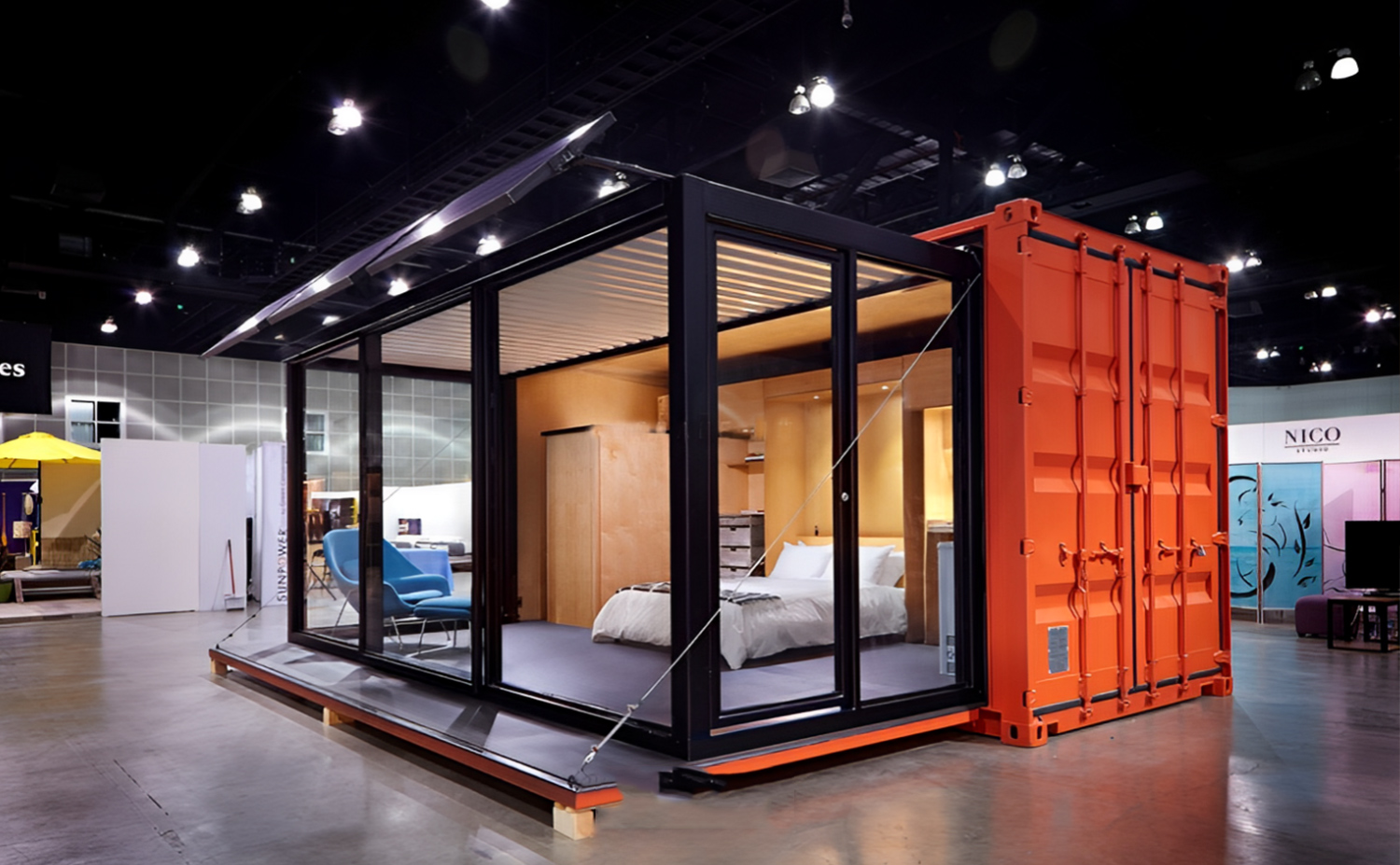
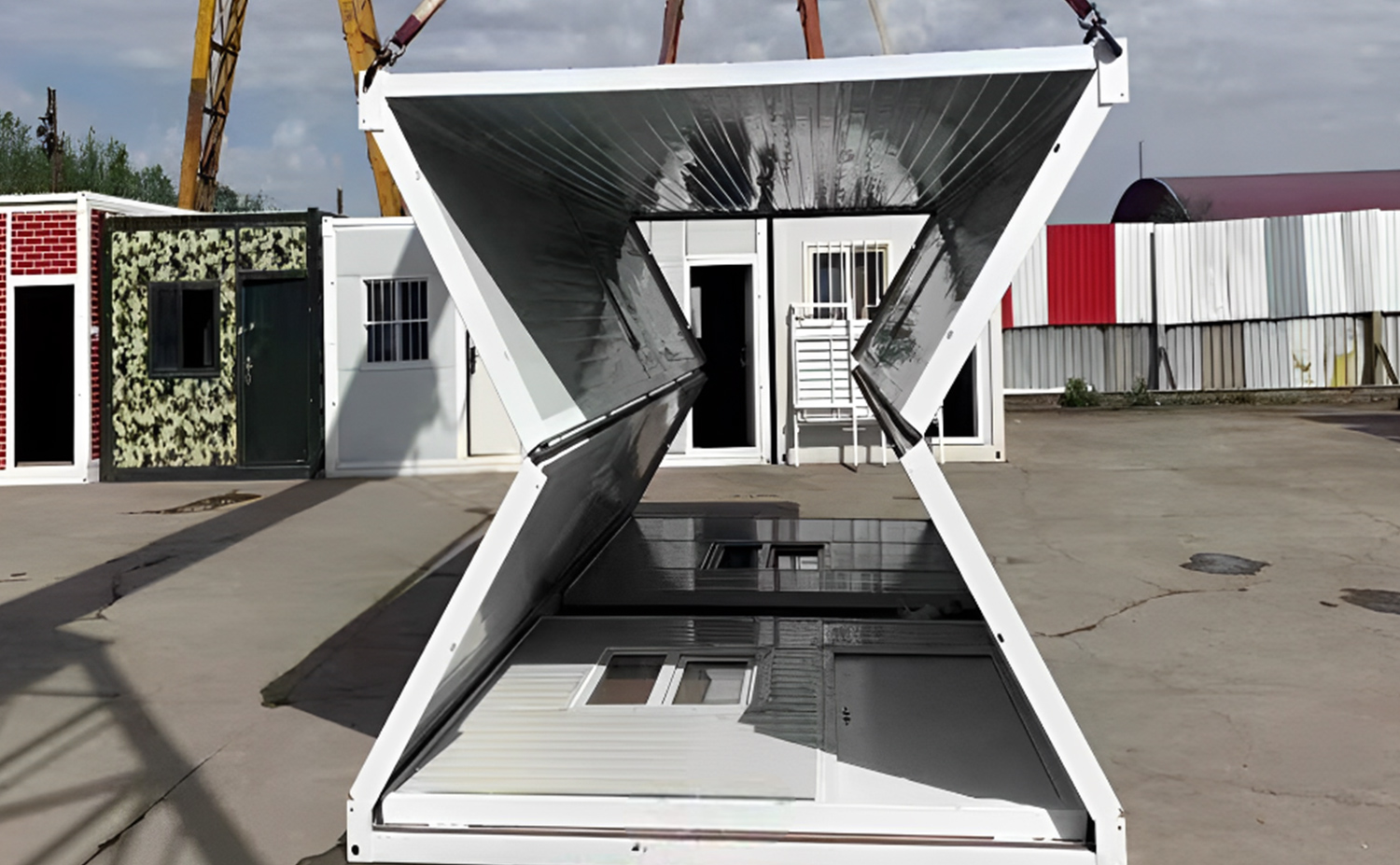
In China, the container housing market is also active. In 2024, prefabricated container houses, as an innovative residential and temporary building solution, have rapidly developed globally in recent years. The Chinese market utilizes abandoned or idle shipping containers, which have been designed and transformed into expandable container homes, folding container home, or flat pack container home. This is also a type of mobile home that provides quick construction and movable living space, especially suitable for temporary housing, disaster relief resettlement, and tourism accommodation.
Industry competition pattern and challenges
In the competitive landscape of China's container industry in 2024, waterway transportation will be the mainstay, supplemented by land transportation (railway and road transportation). The standardization and efficiency of this transportation method are the foundation for the rapid deployment and movement of standard 20ft container home. However, the significant increase in global container transportation demand has also brought about problems of rising costs and tight capacity.
Investment prospects and challenges
Despite the broad prospects for market development, the container housing industry still faces some challenges, such as fluctuations in raw material costs, global capacity adjustments, and market competition. In addition, policy support is also an important factor in promoting industry development. For example, the government's support for mobile homes entering rural areas has provided new development opportunities for the industry.
Flexible design and strong adaptability
Although initially designed as a standardized transportation tool, the flexibility of expandable container house in design is surprising. They can be stacked and pieced together to create a variety of spatial layouts, from single room dormitories to multi story duplex residences, catering to various living needs. The interior design is also unrestricted, and modern decoration and facilities make these "boxes" comfortable living spaces.
Global case studies, trend outlook
There are successful application cases of container houses around the world. In Europe, they are used for student dormitories, providing affordable and environmentally friendly living options; In Africa, they have been transformed into schools and clinics, bringing infrastructure to remote areas; In the United States, designers and architects are using shipping containers to create unique commercial and residential spaces
Epilogue
In summary, the container house industry has shown strong growth momentum in both the global and Chinese markets, benefiting from its rapid construction, mobility, and cost-effectiveness. However, the development of the industry also needs to pay attention to challenges such as transportation costs, raw material supply, and market demand fluctuations. In the future, with the advancement of technology and the increase in market demand, the container housing industry is expected to continue to maintain growth, especially under the promotion of supportive policies.
Name: Zhang Chengli
Whatsapp:+8615890654951
Email: sellgoodproduct@163.com