

Zhengzhou, August 6, 2024---- In today's world, with the increasing awareness of environmental protection and continuous technological progress, the plastic pipe fittings industry is experiencing an unprecedented green revolution. From high-density polyethylene HDPE pipe fittings, polyvinyl chloride PVC pipe fittings to random copolymer polypropylene PPR pipe fittings, these innovative materials are redefining our understanding of infrastructure construction, bringing unprecedented efficiency and sustainability to global water resource management, construction industry, and industrial applications.
HDPE pipe fittings: perfect combination of strength and flexibility
High density polyethylene (HDPE) pipe fittings have become the preferred material for long-distance transportation of water and natural gas due to their excellent chemical resistance, corrosion resistance, and high pressure bearing capacity. HDPE pipe fittings not only have extremely strong tensile strength, but also good flexibility, which makes them perform well in the face of natural disasters such as earthquakes and ground subsidence, reducing the risk of pipeline rupture. In addition, there are various connection methods for HDPE pipe and fittings, including hot melt docking, electric fusion connection, etc., which makes the installation process both fast and reliable, greatly improving construction efficiency.
PVC pipe fittings: a win-win choice for economy and environmental protection
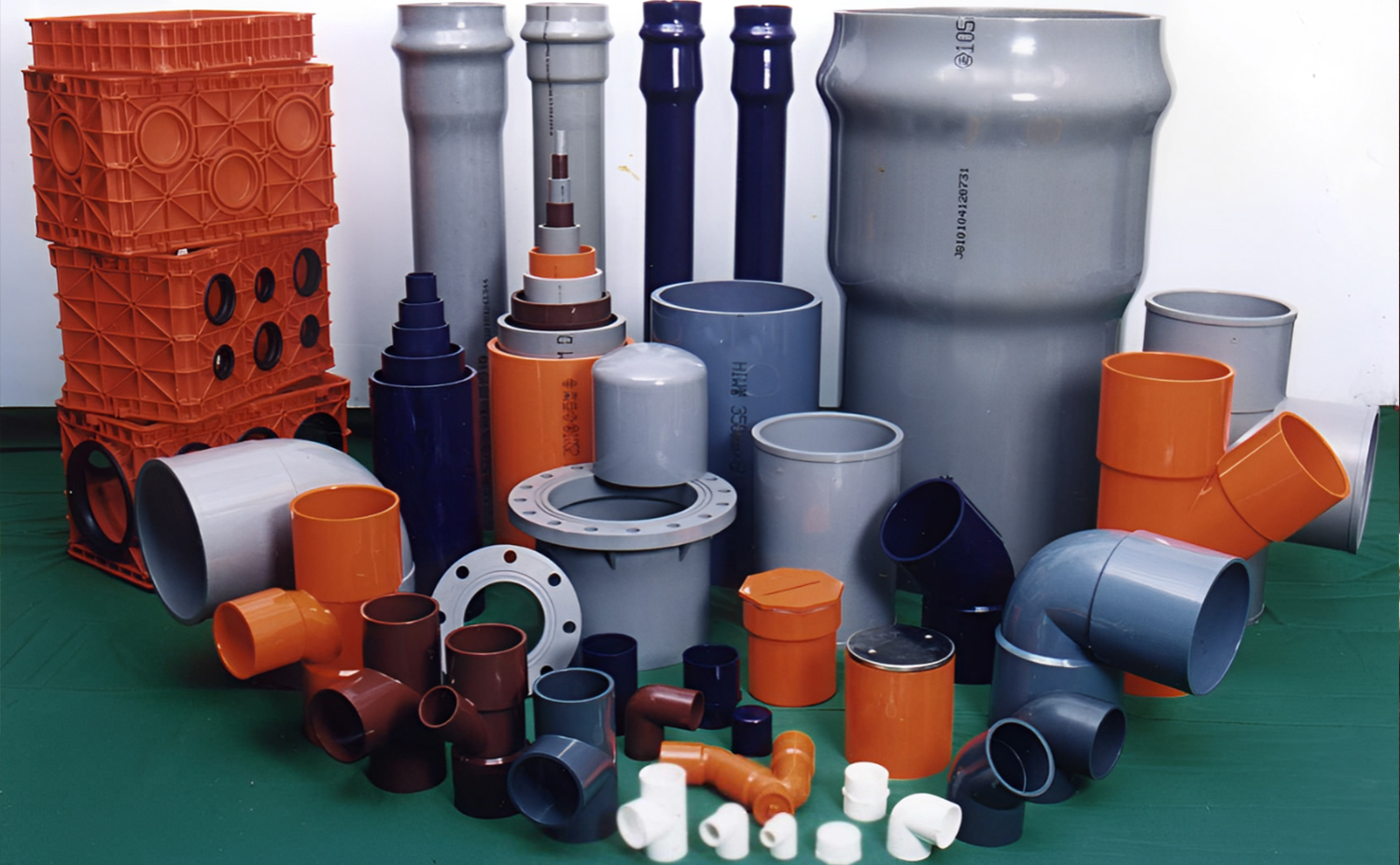
Polyvinyl chloride (PVC) pipe fittings play an important role in building drainage systems, agricultural irrigation, and industrial applications due to their high cost-effectiveness, easy installation, and low maintenance costs. The production process of PVC pipe fittings is relatively environmentally friendly, and its materials can be recycled and reused, reducing the impact on the environment. At the same time, PVC pipe fittings have good chemical stability, are not easily corroded, and have a long service life, which not only reduces the frequency of replacement, but also reduces resource consumption and waste generation.
PPR fittings: guardians of health and safety
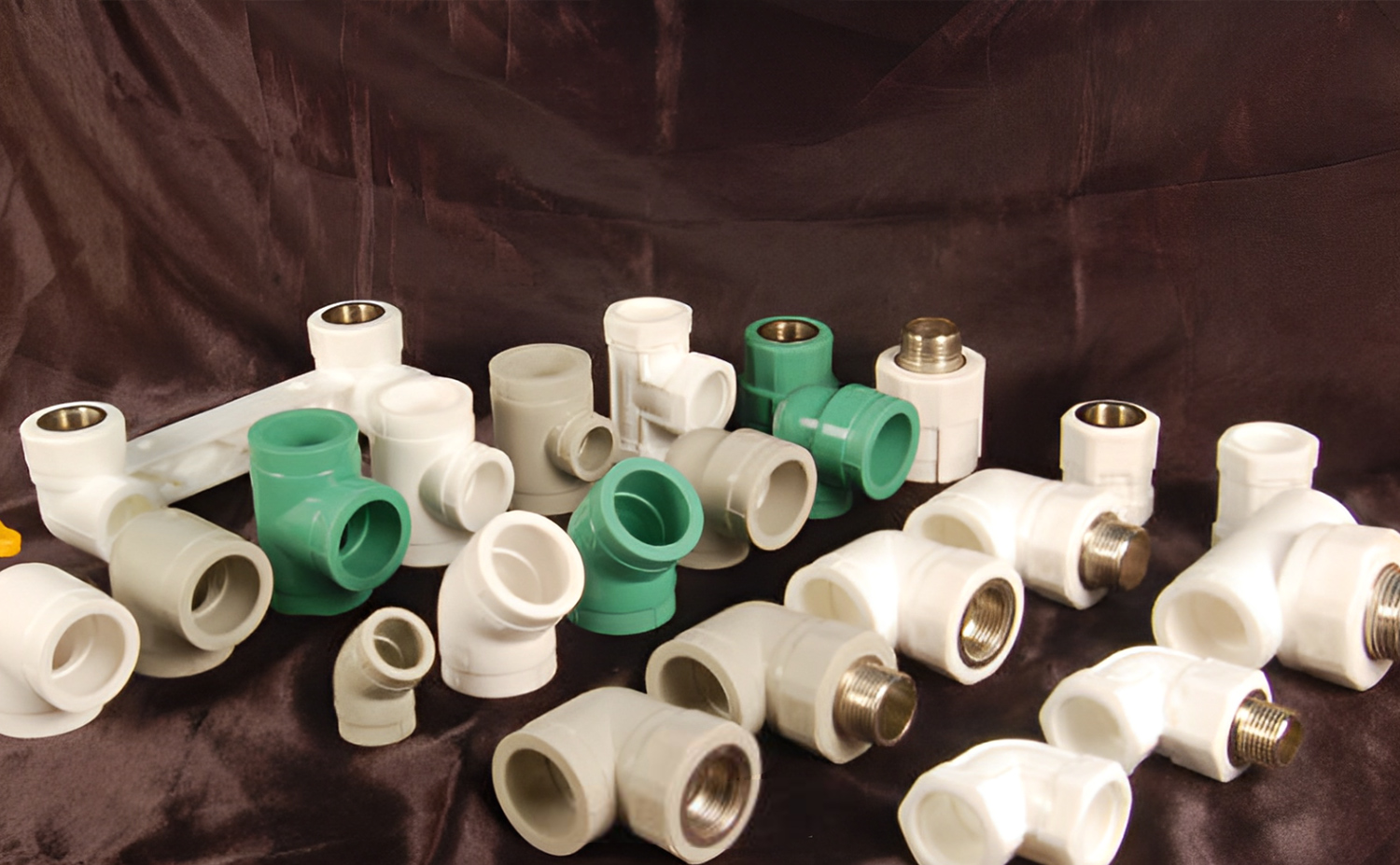
Random copolymer polypropylene (PPR) fittings are widely used in water supply systems in homes and commercial buildings due to their excellent thermal stability and hygiene performance. PPR fittings are non-toxic, odorless, and do not release harmful substances, ensuring the purity and safety of water quality. In addition, PPPR fittings have good insulation performance, which can effectively reduce heat loss, improve the energy efficiency of hot water systems, and save energy costs for users.
Conclusion: Green future, unlimited innovation
The plastic pipe fittings industry is driving the world towards a greener and more sustainable future with innovative materials and technologies. From the strength and flexibility of HDPE fittings, to the economy and environmental friendliness of PVC pipe fittings, to the health and safety of PPR pipe fittings, each type of plastic fitting exhibits unique advantages in its application field. Each type of plastic pipe fitting has its corresponding tee, elbow, ball valve, globe valve, and corresponding HDPE water pipe, PVC water pipe, PPR water pipe connection.With the advancement of technology and the improvement of environmental standards, we have reason to believe that the plastic pipe fittings industry will continue to innovate and contribute to the sustainable development of human society.